


Best alloy wheel under 7000
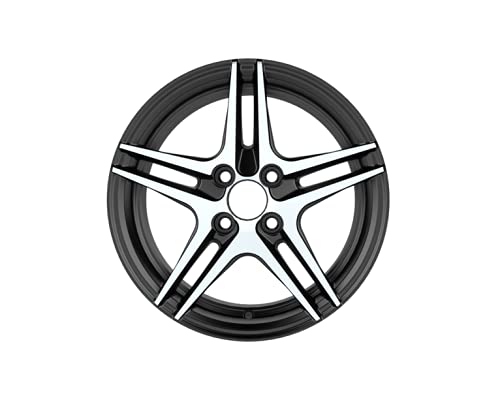
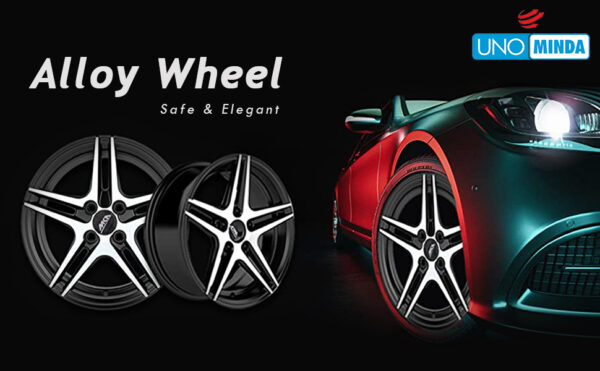
UNO Minda W1D053-000M00 14 inch Alloy Rim PCD100, ET22, Machined, Black Alloy wheel
Alloy wheels are a type of automobile wheel made from an alloy of lightweight metals, typically aluminum or magnesium. They have become a popular choice among car manufacturers and consumers for their advantages in performance, aesthetic appeal, and fuel efficiency. Unlike traditional steel wheels, alloy wheels offer a blend of style and function that enhances both the driving experience and the vehicle’s appearance.
Material Composition and Manufacturing Process
Alloy wheels are primarily made from aluminum or magnesium, though some high-performance variants may contain a mix of both metals. Aluminum is the most common material due to its balance of strength, light weight, and corrosion resistance. Magnesium wheels, also known as “mag wheels,” are lighter but more expensive and less durable than aluminum counterparts. For this reason, magnesium is mostly used in motorsports or luxury sports cars where weight reduction is crucial.
The manufacturing process of alloy wheels typically involves either casting or forging. In the casting process, molten aluminum is poured into a mold, forming the desired shape of the wheel. Gravity casting is the most basic method, while low-pressure and high-pressure casting techniques are also used to improve strength and reduce porosity in the metal. Forged alloy wheels, on the other hand, are made by compressing a solid piece of aluminum under high pressure, resulting in a denser and stronger wheel. Forged wheels are more expensive than cast ones but offer superior performance and durability.
Advantages of Alloy Wheels
- Weight Reduction and Performance: Alloy wheels are significantly lighter than steel wheels, which translates to improved vehicle handling and performance. The reduction in unsprung weight—the weight not supported by the suspension—improves the car’s agility, responsiveness, and braking. Drivers often notice smoother acceleration and better cornering with alloy wheelsBest alloy wheel under 7000.
- Improved Heat Dissipation: The metals used in alloy wheels, especially aluminum, are excellent heat conductors. This characteristic allows the wheels to dissipate heat more efficiently, which is particularly beneficial for the braking system. High-performance cars benefit from this feature, as overheating brakes can lead to brake fade, reducing stopping power. Alloy wheels help to mitigate this risk by keeping the brakes cooler during heavy use.Best alloy wheel under 7000
- Aesthetic Appeal: Alloy wheels come in a variety of designs, finishes, and sizes, making them a popular choice for car enthusiasts and those looking to customize their vehicles. The sleek, modern look of alloy wheels enhances the overall appearance of a vehicle, giving it a more upscale, sporty, or aggressive look, depending on the design. Polished finishes, chrome coatings, or custom colors add a personal touch, contributing to the vehicle’s unique aesthetic.Best alloy wheel under 7000
- Fuel Efficiency: The reduced weight of alloy wheels can also improve fuel efficiency. Lighter wheels reduce the overall load on the engine, requiring less energy to maintain speed and acceleration. Over time, this can lead to noticeable fuel savings, especially in vehicles designed for long-distance driving.Best alloy wheel under 7000
- Corrosion Resistance: Unlike steel wheels, which are prone to rust, alloy wheels are highly resistant to corrosion. The aluminum used in these wheels naturally forms a protective oxide layer when exposed to the environment, preventing rust and prolonging the life of the wheel. This makes alloy wheels a practical choice for drivers in regions with harsh weather conditions or salted roads during winter. Best alloy wheel under 7000
Despite their many advantages, alloy wheels are not without drawbacks. One of the main disadvantages is their cost. Alloy wheels are more expensive to manufacture than steel wheels, and their stylish designs often add to their price. This makes them a pricier option for consumers, especially when choosing larger or more intricate designsBest alloy wheel under 7000.
Another drawback is durability. While alloy wheels are strong, they are more brittle than steel and can crack or break under severe impact, such as hitting a pothole or curb. Steel wheels, by contrast, tend to bend under impact, making them easier to repair. Repairs to alloy wheels are often more complex and costly.Best alloy wheel under 7000
Finally, maintenance can be more demanding. While alloy wheels resist corrosion, their polished surfaces are prone to scratches, and they require regular cleaning to maintain their appearance. Dirt, brake dust, and road grime can build up quickly, especially with wheels that have intricate designs, so owners must invest time in cleaning to keep them looking their best.Best alloy wheel under 7000
Alloy wheels have long been favored in motorsports and high-performance vehicles due to their distinct advantages in weight reduction and handling. In racing, where every ounce of weight matters, lighter alloy wheels provide a competitive edge. The decrease in unsprung weight enhances a car’s ability to respond to road surface changes and allows for more precise control, especially at high speeds or during sharp cornering.
In addition to improving handling, alloy wheels help to improve acceleration and braking efficiency. By reducing the overall rotating mass, they make it easier for the engine to accelerate the wheels, allowing for quicker off-the-line speed. Similarly, lighter wheels reduce the energy required for braking, improving the vehicle’s stopping power. For motorsports, where braking zones can determine the outcome of a race, this advantage is crucial.
The heat dissipation properties of alloy wheels also play a critical role in motorsport performance. In endurance racing, rallying, or other high-intensity competitions, excessive heat generated by brakes can lead to reduced braking efficiency or brake fade. Alloy wheels help dissipate this heat more effectively, keeping brake temperatures in check and ensuring consistent performance throughout the race.
Customization and Market Trends
One of the main reasons for the popularity of alloy wheels in the consumer market is the endless possibilities for customization. Car owners and enthusiasts often view alloy wheels as an extension of their vehicle’s personality. With numerous designs, finishes, and sizes available, alloy wheels allow for a high degree of personalization, whether one prefers a sleek, understated look or a bold, aggressive style.
The aftermarket alloy wheel industry is booming, with manufacturers offering a variety of wheels designed to fit different types of vehicles, from economy cars to luxury sedans and SUVs. Common finishes include polished, painted, and chrome-plated surfaces, each offering a distinct visual appeal. Additionally, advancements in technology have led to the development of hybrid wheels, combining aluminum alloys with carbon fiber or other lightweight materials, pushing the boundaries of design and performance.
Another trend in the alloy wheel market is the increasing size of wheels. Larger wheels not only provide a more commanding road presence but also enhance handling characteristics. However, the increase in wheel size can sometimes come at the cost of ride comfort, as the low-profile tires used on larger wheels tend to have less sidewall cushioning. Despite this, the demand for larger alloy wheels continues to grow, particularly in the luxury and performance car segments.



Reviews
There are no reviews yet.